a reality check is a small test you do while awake, so the habit carries into a dream and fails there. look at your hands, try to breathe through a pinched nose, read a line twice. checks alone have weak evidence. paired with a rehearsed intention to notice your dream signs, they are part of the best-supported method.
reality checks are the most famous lucid dreaming technique and the most misunderstood. people do fifty a day, mechanically, and wonder why they never carry into a dream. the answer is in how they are done, not how many. this guide ranks the checks by how reliably they fail inside a dream, explains the one thing that makes them work, and tells you plainly what the research found.
what a reality check is for
a reality check is not a test of whether you are awake right now. you know you are awake. it is a rehearsal of the act of asking. dreams are made of habits and recent material, so a habit of stopping and honestly questioning the moment eventually shows up inside a dream. when it does, the check fails, and you are lucid. the check is the trigger; the honest question is the mechanism. that is why the same check done mechanically does nothing: the habit that carries into the dream is the one you actually formed, and a mechanical glance at your hands carries in as a mechanical glance.
the checks, ranked
ranked by how reliably they fail in a dream, based on practitioner reports. no single check is perfect, which is why you should use two.
- read text twice. a sign, a clock, a line on your phone. look away, look back. in a dream the words change, blur, or refuse to hold still. the most reliable check there is.
- pinch your nose and try to breathe through it. in a dream you usually can. quick, private, and hard to fake.
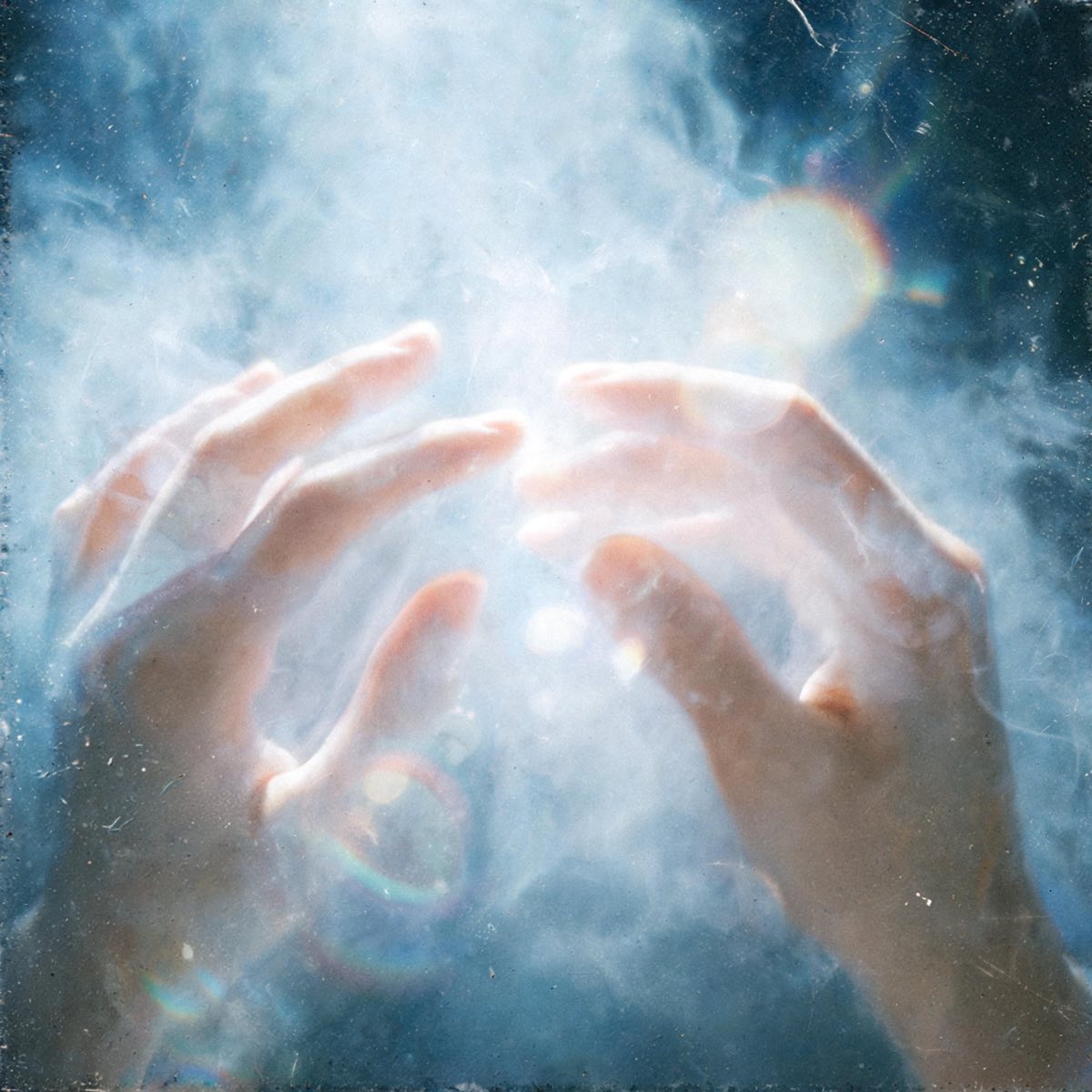
- look at your hands. count the fingers, turn them over, look again. dream hands are wrong more often than not: extra fingers, wrong shape, drifting outline. this is the check totem uses, because you always have your hands with you.
- push a finger into your palm. in a dream it often goes through.
- flip a light switch. dream lighting rarely responds properly.
- ask how you got here. on a real day you can trace the last hour. in a dream the question has no answer, and asking it is itself the moment of lucidity.
jumping to see if you float, and looking in mirrors, are popular and unreliable. mirrors in particular are dream material of their own.
how to do one properly
- stop what you are doing for a few seconds. a check done in motion is a check done without attention.
- ask the question honestly: am i dreaming right now? consider that the answer could be yes. look for evidence.
- do the check, expecting it to fail. the expectation is what you are rehearsing.
- do a second check. one can pass by chance in a dream.
- if both pass, note that you are awake, and carry on. that is the whole thing. it takes ten seconds.
dream signs: what to check for
a reality check works best when it is tied to something. a dream sign is anything that appears in your dreams more than in your life: a place, a person, being late, being chased, water, flying, teeth, an old house. read your journal back after a week and underline what repeats. then attach your checks to it in waking life: every time you are late, every time you see water, every time you walk into a place that reminds you of the recurring one, stop and check. you are training the association so that the sign itself becomes the trigger inside the dream. finding your signs is covered in how to keep a dream journal.
why checks alone have weak evidence
in the large field comparisons of 2020, reality checks used on their own showed weak short-term effects on lucid dream frequency. that is the honest finding, and it fits the mechanism above: a check without a rehearsed intention is a habit without a purpose. the same studies found that the intention rehearsal technique, mild, was the most consistent cognitive method, and that reality checks helped as support for it. so the practice that works is: check during the day, tied to your dream signs, and at night rehearse the intention to notice those signs next time. the rehearsal is in the mild technique and the whole method is in how to lucid dream.
the check is the trigger. the honest question is the mechanism
reminders and apps
a reminder can help you remember to check, and it can just as easily train you to glance at your hands and dismiss a notification. the difference is what the reminder asks. a prompt that says “reality check” becomes a chore within days. a prompt that asks the actual question, are you dreaming right now, and waits for you to answer it, keeps the habit honest. a few a day, at irregular times, beats a schedule you learn to ignore. and no reminder replaces the sign-linked checks you do on your own, because the signs are what carry into the dream.
how many a day, and when
five to ten a day, each done properly, beats fifty done on autopilot. tie them to your dream signs first and to transitions second: walking through a door, waking up, arriving somewhere, any moment that feels like a scene change. always check on waking, including in the night, because that is when a false awakening is waiting to be caught. totem sends a few quiet prompts through the day rather than dozens, each with the same question, are you dreaming, and the hands as the check, and it leaves the honest asking to you.
questions people ask
do reality checks work for lucid dreaming?
on their own, weakly. the 2020 field studies found small short-term effects. paired with a rehearsed intention to notice your dream signs, they are part of the method with the strongest research support.
how do you check if you are in a lucid dream?
read something twice, pinch your nose and try to breathe, and look closely at your hands. in a dream at least one of those fails. if you are asking the question seriously inside a dream, you are already lucid.
what is the best reality check?
reading text twice is the most reliable; the nose pinch is the most private; the hands check is the one you can always do. use two together.
how many reality checks a day?
five to ten, done with real attention and tied to your dream signs and to transitions. more than that, done mechanically, trains a mechanical habit that does not help.