the idea took about a decade to reach the screen. around 2002, after insomnia, nolan pitched warner bros. an eighty-page treatment about dream thieves. then he put it away. he said he did not yet know how to manage a film that large. two batman films and a magician’s feud taught him the scale he needed. when he returned, he could build the folding city he imagined.
~10years from treatment to screen
80pages in the first pitch
4academy awards
$800m+worldwide box office
the production followed one practical rule: if dreams feel physical, build physical places. the crew shot the corridor fight in a rotating hallway more than one hundred feet long. the actors climbed its moving walls. the paris café does not fade away. it explodes in slow motion around a quiet conversation.
dreams feel real while we’re in them.
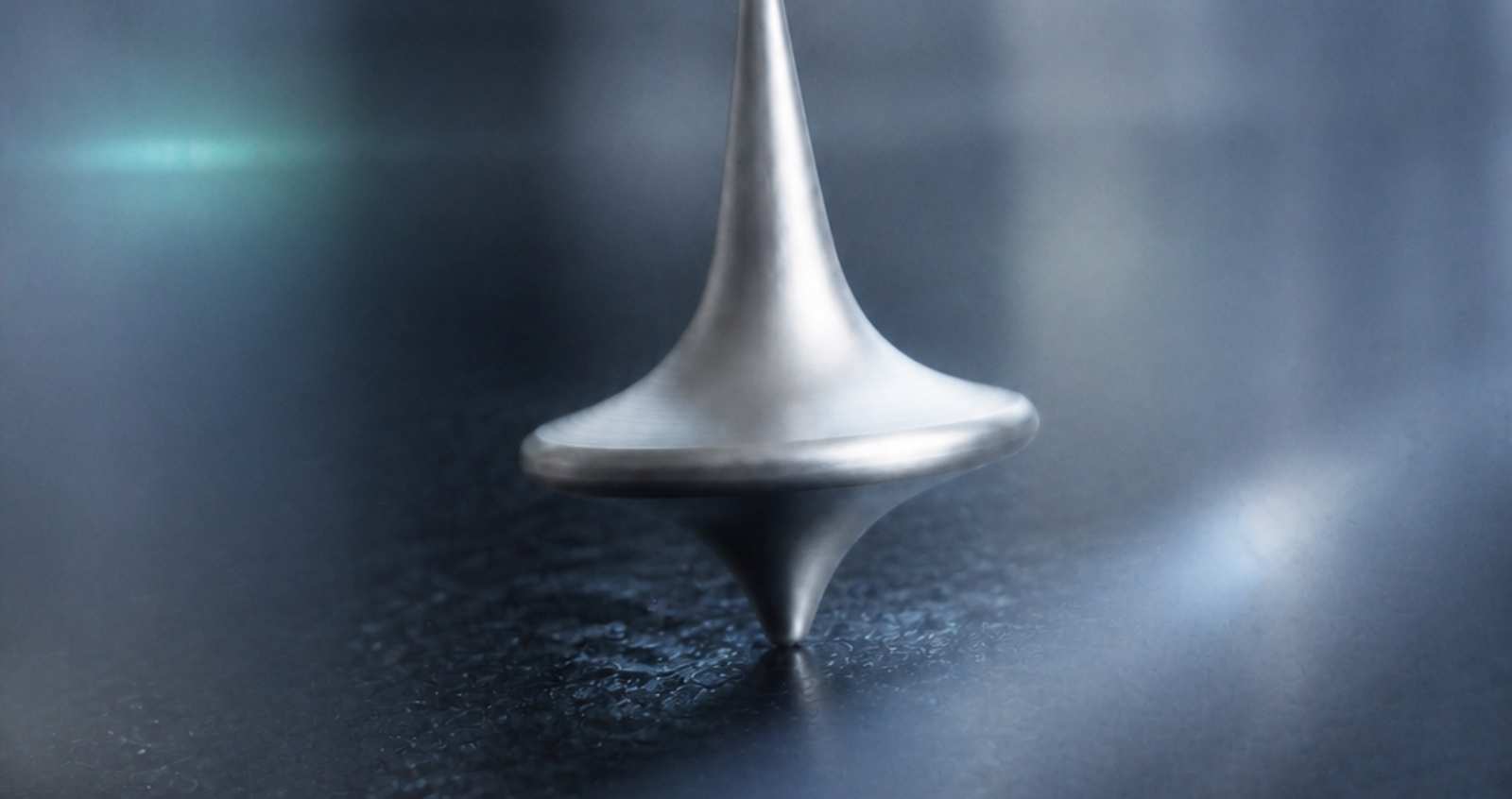
the film’s most lasting idea is the totem. each dreamer carries a small object that helps them test reality. cobb uses a spinning top: if it falls, he is awake. the film invented the object, not the test. dream researchers had taught reality checks for decades before 2010. inception gave that practice a simple word and a shared image.
this is the app’s actual totem. flick it sideways.
the final shot uses this test. cobb spins the top, then leaves before it falls. the camera stays with the top. it begins to wobble, and the film cuts to black.
that clear test gave totem its name.
this article has a b grade for a specific reason. nolan described his lucid dreams in interviews with wired, the los angeles times, and other outlets. the account comes from him and stayed consistent for more than ten years. it also matches the film he made. however, it does not appear in a signed memoir or essay. the written record still comes through journalists.
hear the score that carries the film back through every dream level.