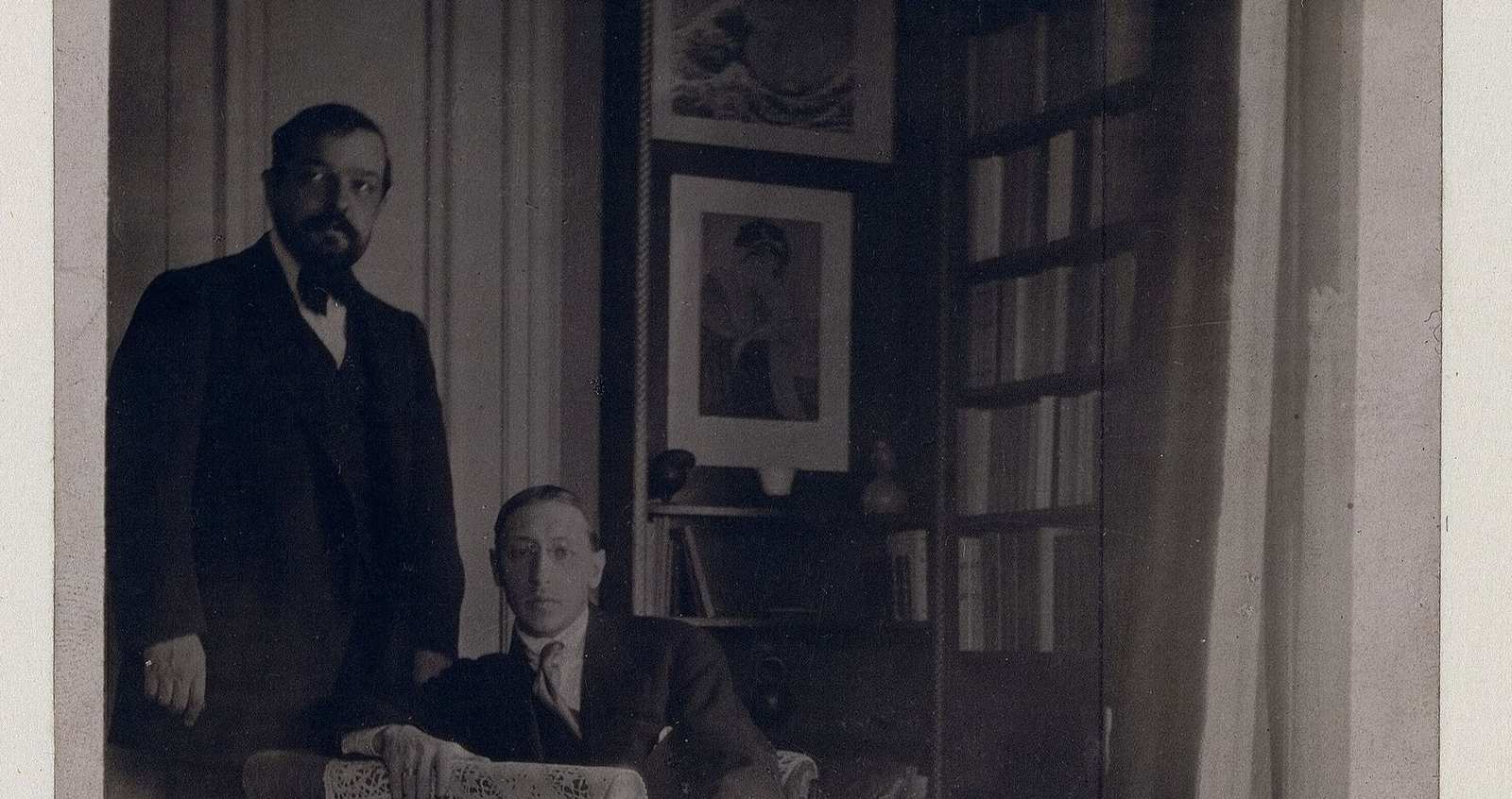
stravinsky remembered the instrumentation. he had counted eight players and could recall the unusual group of wind instruments. the dream gave him a formation, not a melody.
i awoke from this little concert in a state of great delight and anticipation and the next morning began to compose.
the octet uses flute, clarinet, two bassoons, two trumpets, and two trombones. it premiered in paris in 1923 with stravinsky conducting. its cool, contrapuntal form surprised listeners who expected the composer of the rite. the work is often seen as an entry into his neoclassical period.
stravinsky was clear about the limit of the dream. he never claimed that the notes survived waking. the night gave him a useful constraint, and he composed the music himself. a dream can help by narrowing a decision, even when it does not supply the final work.