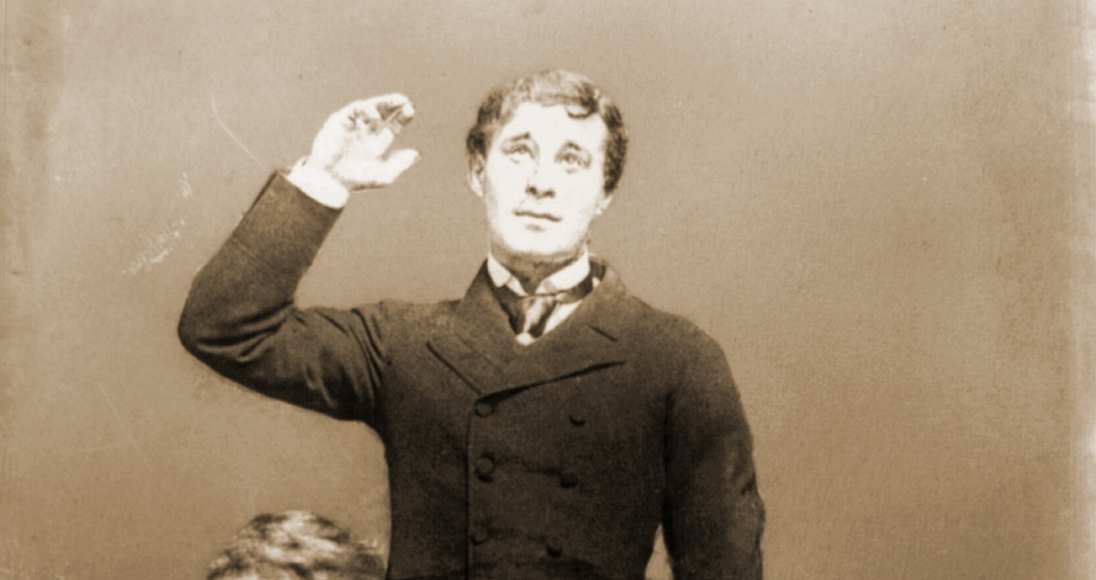
his wife fanny woke him because he was crying out in his sleep. stevenson protested: “why did you wake me? i was dreaming a fine bogey tale.” the dream supplied two or three complete scenes. they included the window scene and the moment when the pursued hyde takes the powder and changes.
i had long been trying to write a story on this subject... for two days i went about racking my brains for a plot of any sort; and on the second night i dreamed the scene at the window.
stevenson completed the first draft in a few days. after fanny criticized it, he burned the draft and wrote it again at the same speed. the book sold forty thousand copies in six months. its title became a common term for a divided self.
three years later, stevenson explained his use of dreams in “a chapter on dreams.” he described lifelong recurring dreams and a deliberate habit of attending to them. he called their imagined makers the little people, or his brownies. in his words, they did “one-half my work for me while i am fast asleep.” jekyll and hyde came from an established creative practice, not one isolated night.